
1. In what ways does your media product use, develop or challenge the forms and conventions of real media products?
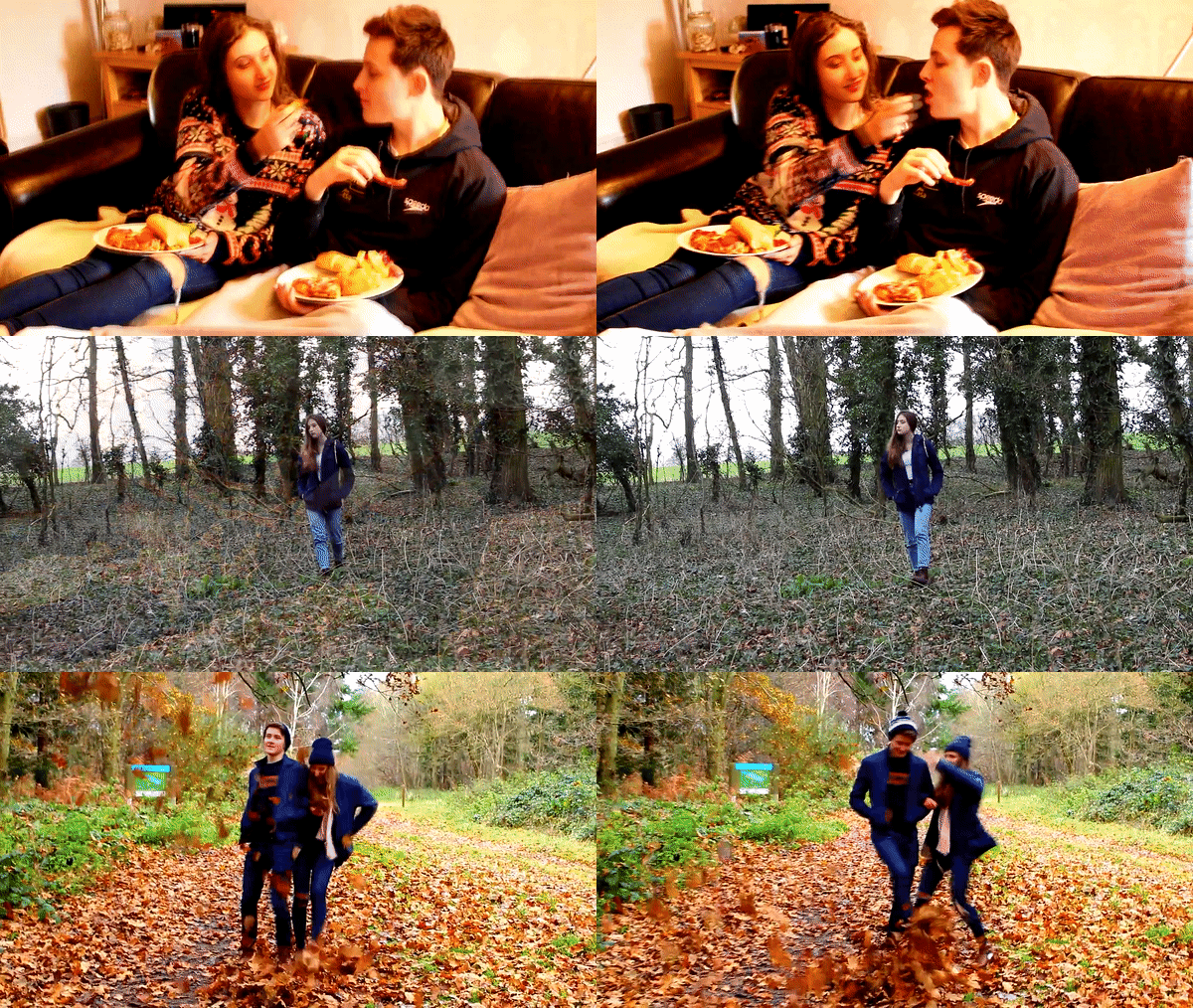
Throughout the filming and editing of each task, we were well aware of what conventions we had to adhere to make them fit in with our chosen genre, and we used other indie products as a point of comparison to make sure we had followed convention completely throughout. One thing we had noticed in other indie music videos was the costumes and how they are usually casual to create a connect between the narrative/band and the audience, allowing the viewer to relate to the people in the video and feel closer to them as a result, thereby following the personal identity gratification theory as the audience can identify with the characters and the band.


Comparison of how casual costume is used in our video and another indie video: Pumped Up Kicks
Furthermore, our video made use of lighting and filters to set apart different scenes in terms of tone, conveying a different mood as it changed with the narrative. Using light to contrast the atmosphere different scenes is a commonly used technique, especially in the indie genre as narrative is usually a large element in indie music videos, and as such they find different ways to get across the mood of the plot throughout the video. Our use of the technique supports Neale's theory of "genres are instances of repetition and difference" as while it is similar to other indie videos' use of it, usually they have a steady gradient from good to bad, whilst our video develops it slightly by making use of it throughout
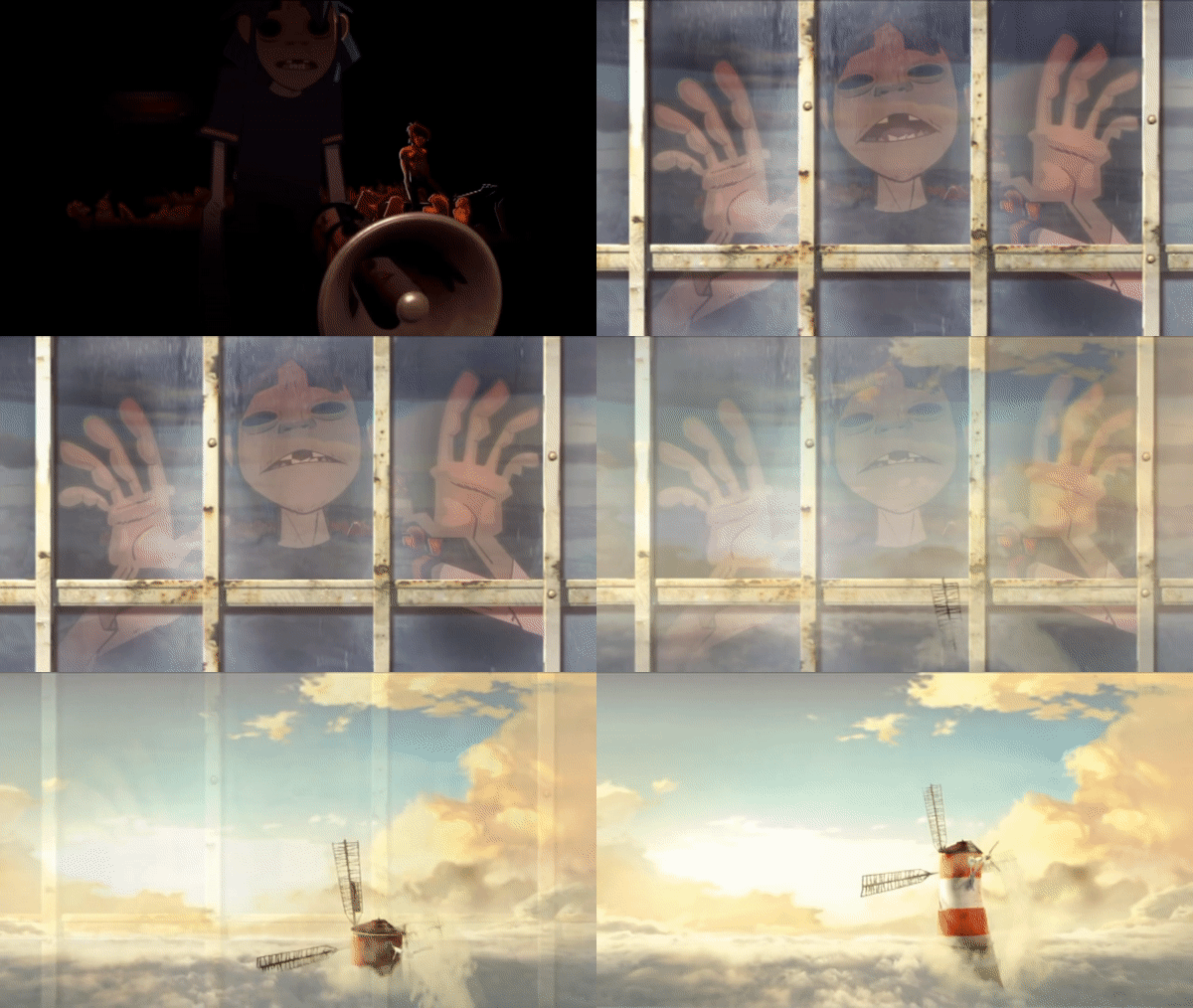
The music video on the right (Feel Good Inc.) creates a massive difference between the dark insides and the bright and vibrant outside, much like we did to set apart the happy and sad memories in our music video.
However, there are a few ways in which the product challenges our chosen genre, one such way is that the performance and narrative aspects of the video do not have the same characters, as indie music videos often provide a link between both aspects with the band members being involved with the video's story. This decision to separate the narrative and performance further supports Neale's theory, namely the fact that products from the same genre have to differ in some way to have a degree of uniqueness as our video stands out against a majority of other music videos by drawing a line between the band and the characters in the video.
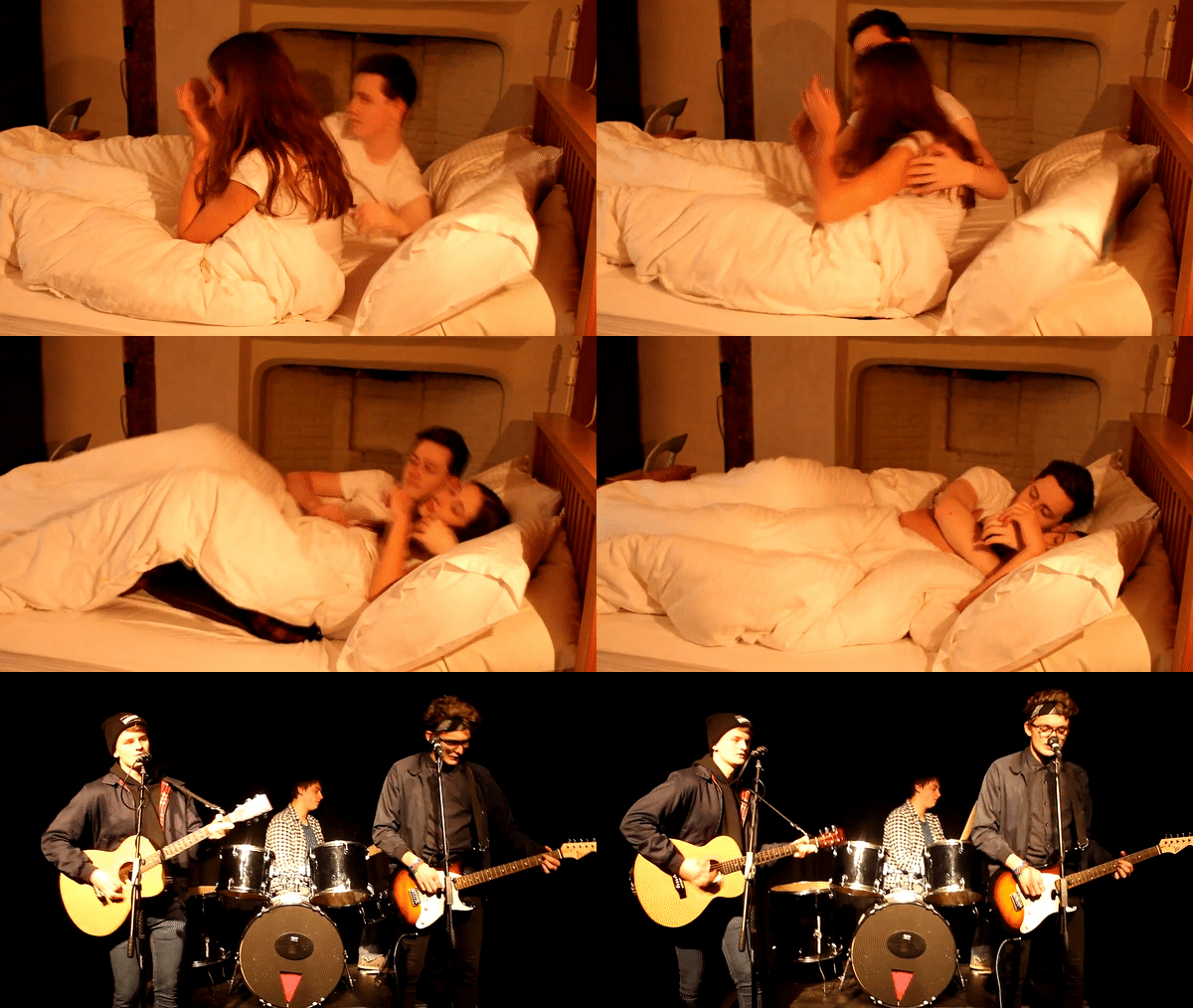
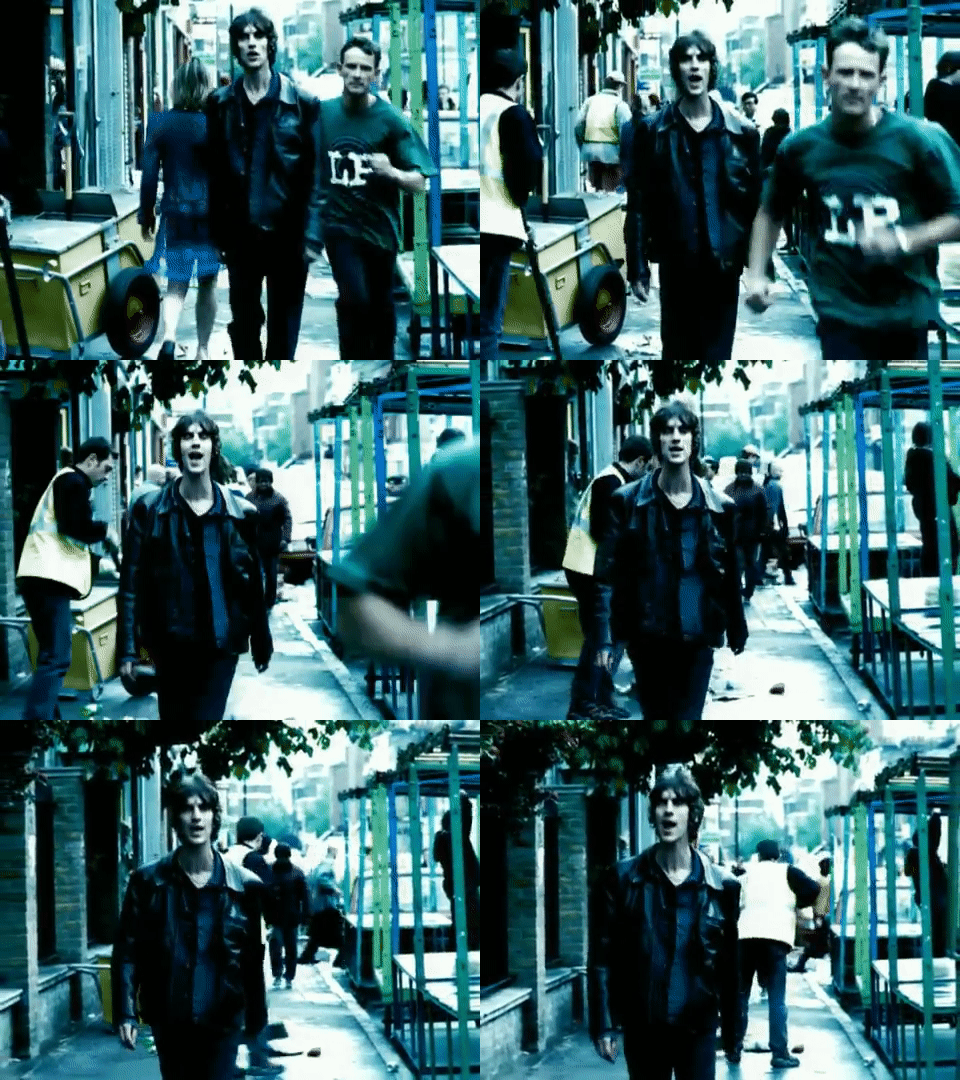
In Bitter Sweet Symphony (Right) the main character of the video is played by the lead singer, and later on in the video the rest of the band shows up, whereas in our video (left) there is no character overlap between performance and narrative
One of the main ways the music video uses the conventions is by having the band perform at different points throughout the video, which is stereotypical for the indie genre as indie artists are often not well known and include themselves playing instruments to prove their instrumental skills to any potential audiences and get recognition for their band. This is an example of Swales' theory about "family resemblances" between texts as this shows a clear connection that all indie music videos have, therefore showing that all indie music videos have (at the very least) one thing in common.


The use of a band is usually to "show off" the skills of an unestablished band or maintain a band's image, as in the right band's case (Blur) in the music video for "Song 2".
In conclusion, our music video fits in with the conventions of the indie genre as it follows and conveys methods that are stereotypical to the genre, however in some cases the product builds on already established aspects of indie media, developing what has already been established. In a few instances, the product goes against what is conventional, however never enough to venture into a different style and deter the target demographic from the genre that they expect out of our music video.